-
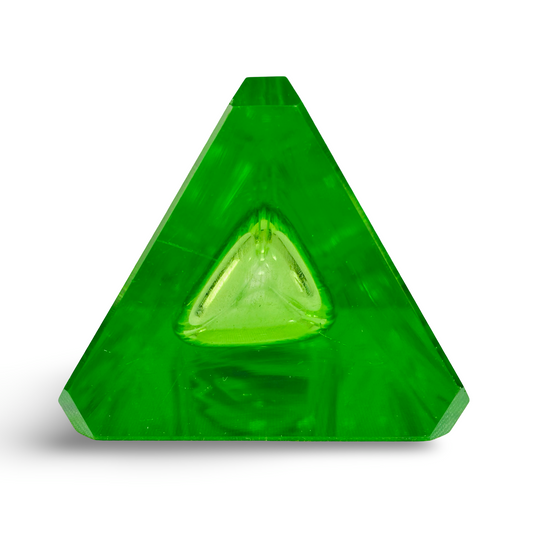
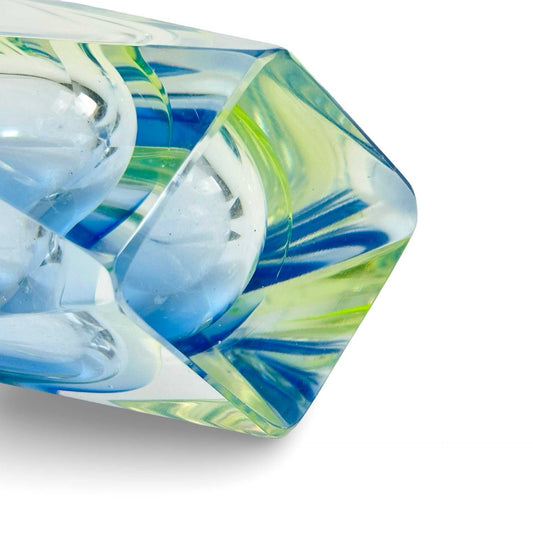
Murano Sommerso Faceted Triangular Vase, green, Mandruzzato style, 1960s/70s
Regular price €145,00 EURRegular price -
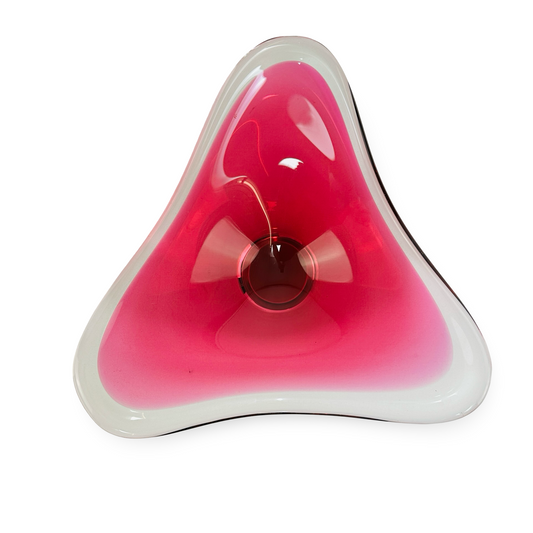
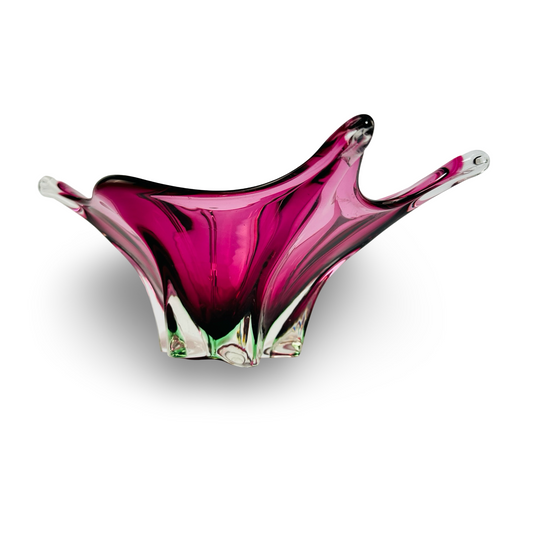
Chribska Sommerso Triangle Bowl Cranberry, attributed to Josef Hospodka, 1960s
Regular price €180,00 EURRegular price -
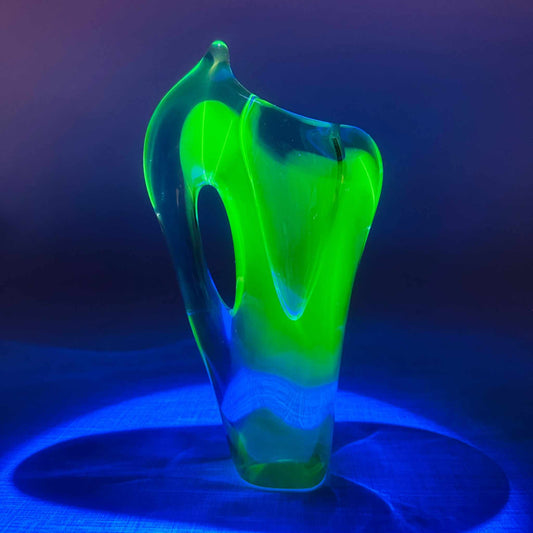
Emanuel Beránek Škrdlovice Freeform Vase Model 5987, Uranium Glass, 1959
Regular price €390,00 EURRegular price -
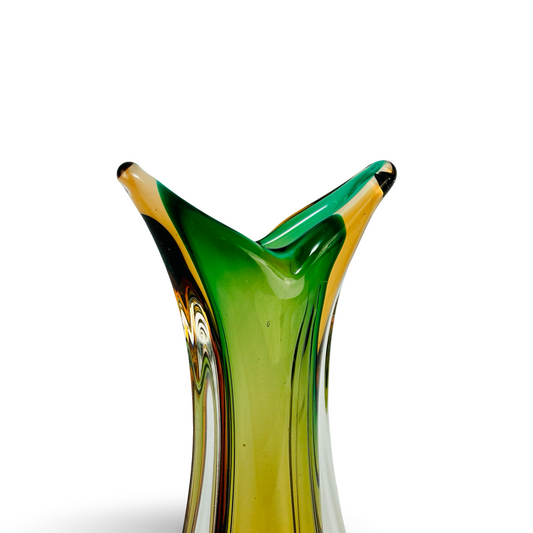
Murano Sommerso Swallow-Tail Vase in Green and Amber, in the style of Flavio Poli, Italy 1960s
Regular price €220,00 EURRegular price -
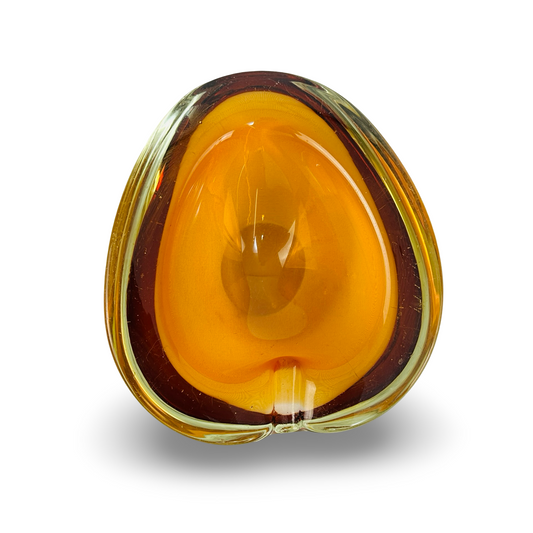
Murano Sommerso Heart Bowl, Amber with Uranium Yellow Casing, Poli/Seguso Era 1960s
Regular price €160,00 EURRegular price -
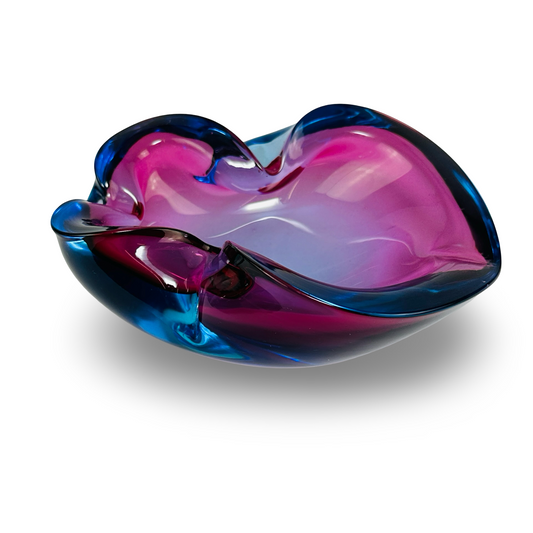
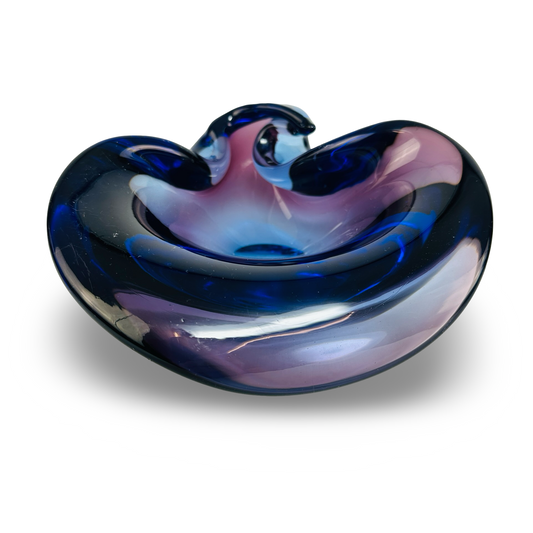
Murano Sommerso Kidney Dish — Aubergine-Fuchsia & Cobalt Blue, Flavio Poli for Seguso-Style, 1960s
Regular price €320,00 EURRegular price -
Murano Sommerso Freeform Triangle Dish — Emerald Green & Chartreuse, Pulled Tips, 1960s/70s
Regular price €220,00 EURRegular price -
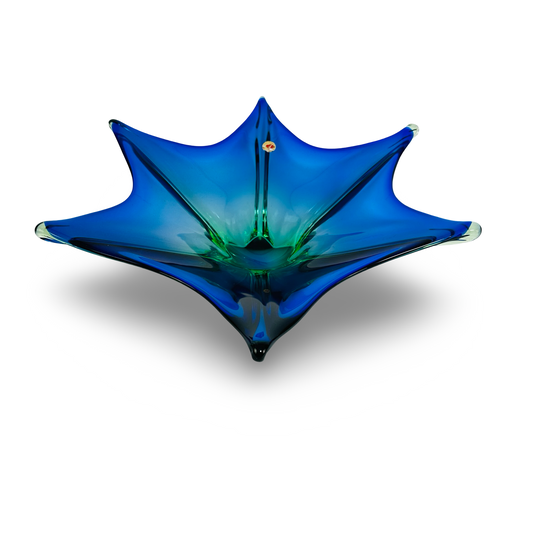
Murano Sommerso Star Bowl — Cobalt & Uranium Green, six points, centerpiece 41.5 cm, 1960s/70s
Regular price €320,00 EURRegular price -
Murano Sommerso Bowl / Ashtray — Cobalt & Amethyst with Wavy Ridges, Seguso Style, 1960s/70s
Regular price €260,00 EURRegular price -
Chřibská cranberry-pink Sommerso bowl with four crystal prongs, attributed to Josef Hospodka, 1960s
Regular price €190,00 EURRegular price -
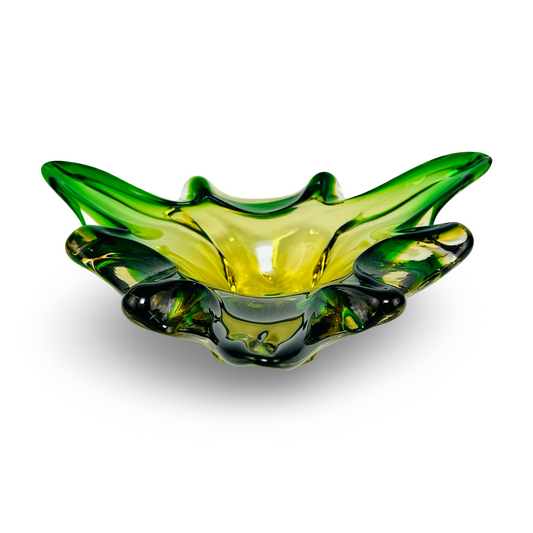
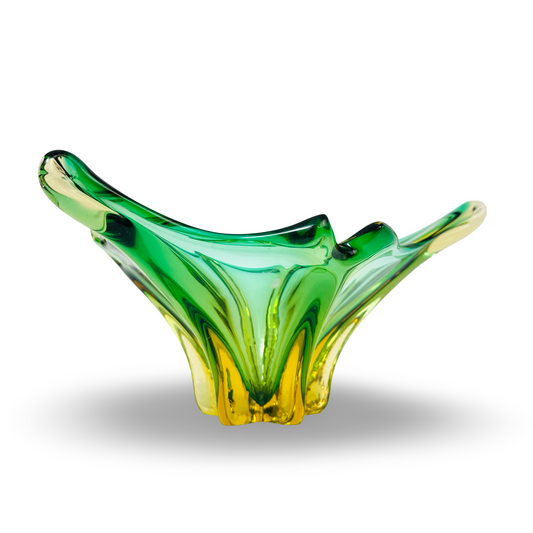
Murano Sommerso Splash Bowl, Green and Yellow, with Original Label Remnants, 1960s/70s
Regular price €220,00 EURRegular price -
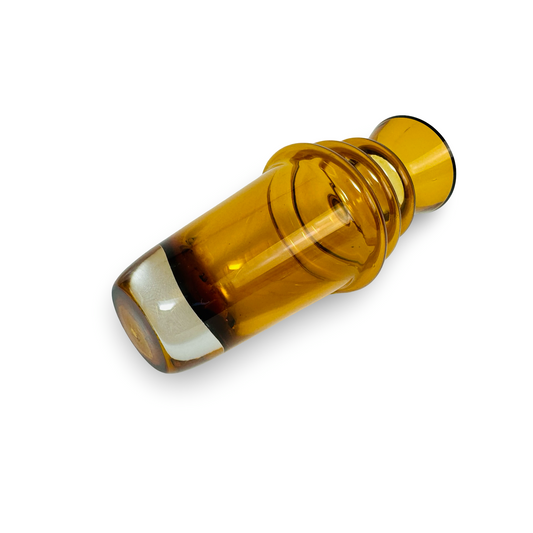
Åseda Glasbruk Amber Vase by Bo Borgström, B5 Series, 1970s
Regular price €150,00 EURRegular price -
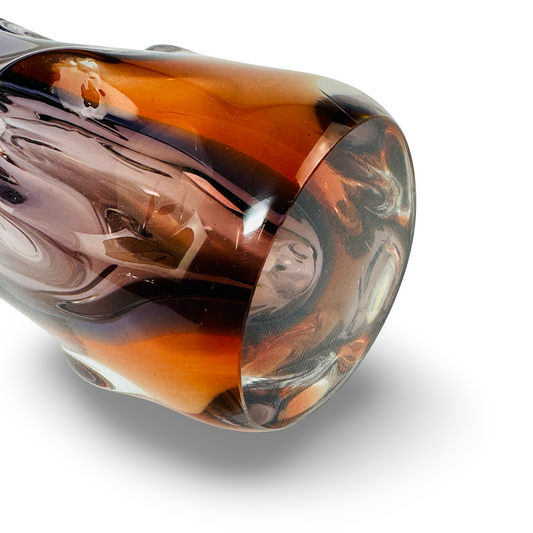
Sommerso Art Vase Amber & Aubergine in the style of Josef Hospodka for Chribska, 1960s
Regular price €285,00 EURRegular price -
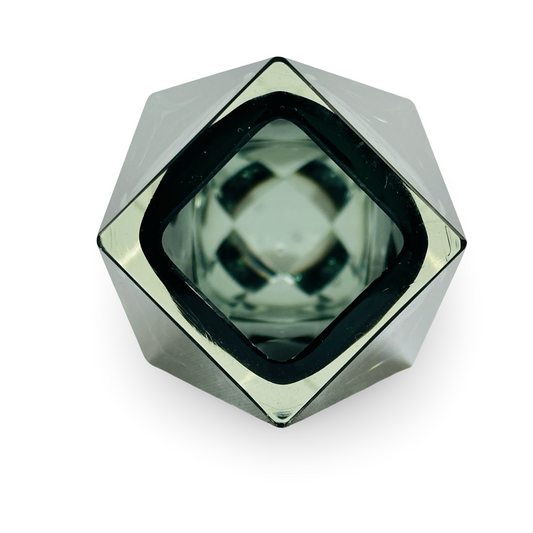
Murano Sommerso Faceted Vase Graphite in Mandruzzato style, 1960s
Regular price €245,00 EURRegular price -
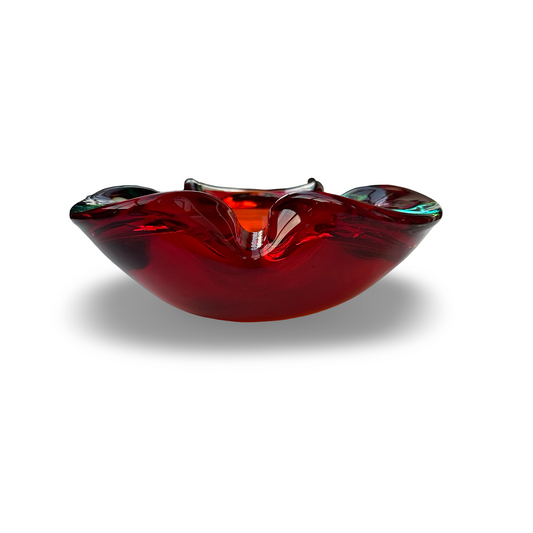
Murano Sommerso Geode Bowl, Ruby Red in Turquoise, 1960s
Regular price €290,00 EURRegular price -
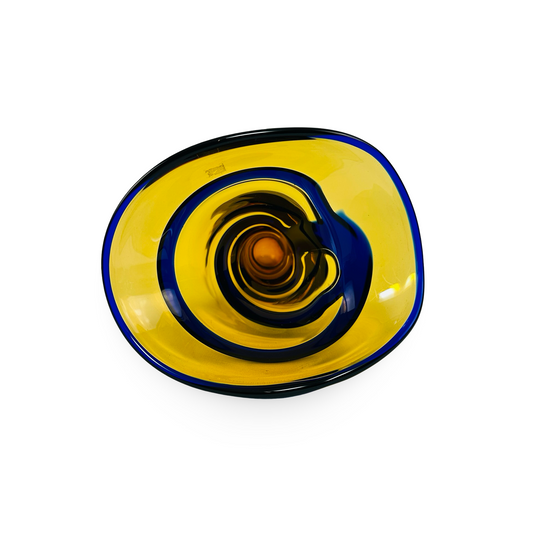
Murano Sommerso Vase, Yellow-Cobalt with applied glass ribs, 1960s
Regular price €260,00 EURRegular price -
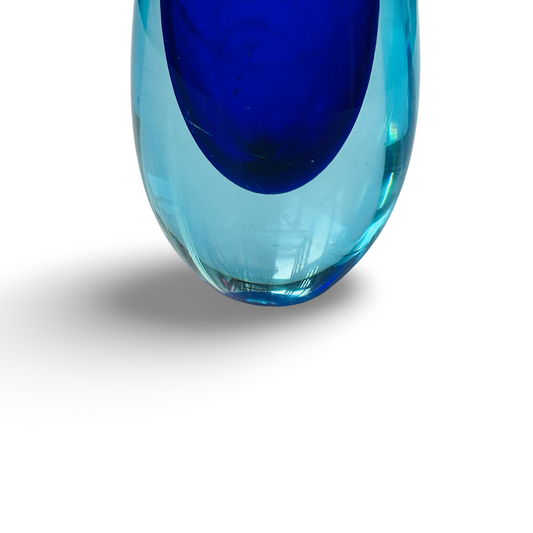
Murano Sommerso Fishmouth Vase, Cobalt-Aquamarine, 1960s
Regular price €280,00 EURRegular price -
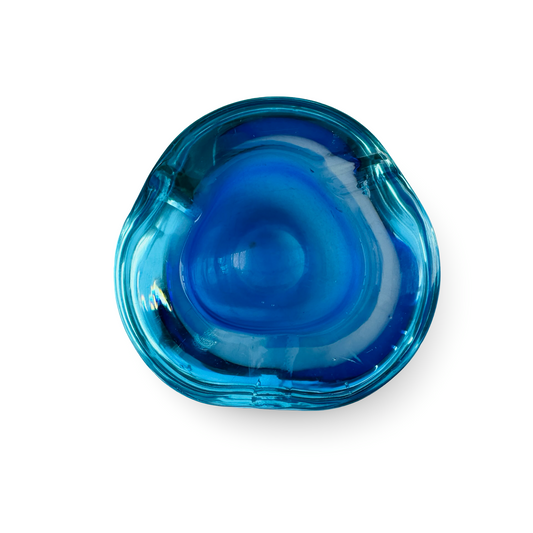
Murano Sommerso Bowl · cobalt blue & aquamarine · 1970s
Regular price €115,00 EURRegular price -
V. Nason Murano Sommerso Vase · blue-chartreuse · 1970s · with label
Regular price €520,00 EURRegular price -
Murano Sommerso Geode Bowl · red-opal · 1960s
Regular price €280,00 EURRegular price -
Murano Glass Bowl Sommerso Seguso Italy Flavio Poli 1960s
Regular price €550,00 EURRegular price